
Updated 20 August 2026. This article originally covered a community "Bridge Buddy" bot that handed a small amount of PLS to new users. That bot is no longer running, so the article has been rewritten around the onboarding routes that do work.
Every new user of the PulseChain network runs into the same chicken-and-egg problem on day one: you need PLS in your wallet to pay for gas, and almost every way of getting PLS on-chain — swapping, approving, moving a bridged token — is itself a transaction that costs gas.
It is a small hurdle, and it trips up more people than it should. Here is how to clear it.
First, about the free-PLS bots
If you arrived here looking for the Bridge Buddy bot, or for a faucet that gifts PLS to new wallets: those community tools are no longer operating, and PulseCoinList does not distribute PLS. There is no page on this site, or anywhere we would point you to, that will send free PLS to your wallet.
That is worth saying plainly, because "free PLS" is a well-worn hook for scam sites. Anything asking you to connect a wallet, sign a message or pay a fee in order to receive free tokens should be closed, not clicked.
The good news is that the underlying problem — getting your first bit of gas — is easy to solve without a giveaway, because PulseChain transactions are cheap enough that the amount you need is genuinely small.

Route 1: buy PLS and withdraw it to your own wallet
The most direct path is to acquire PLS somewhere that supports PulseChain withdrawals and send it straight to the address you intend to use. That skips the bootstrap problem entirely — you arrive on the network already holding gas.
Before you commit, check two things: that the venue actually supports withdrawal to the PulseChain network (not just trading a PLS-denominated pair), and what the withdrawal minimum and fee are, since those often dwarf the value of the PLS you need for gas.
Route 2: bridge in from Ethereum
The official Pulse Bridge moves assets between Ethereum and PulseChain. It is the standard route for anyone who already holds assets on Ethereum and wants to use them on PulseChain.
One thing to plan for: bridging an ERC20 gets the token onto PulseChain, but you still need PLS to do anything with it once it lands. If the route you are using offers a gas top-up option — some bridges and on-ramps deliver a small amount of the destination chain's native token alongside your transfer — take it. Otherwise, sort out your PLS first and bridge second.
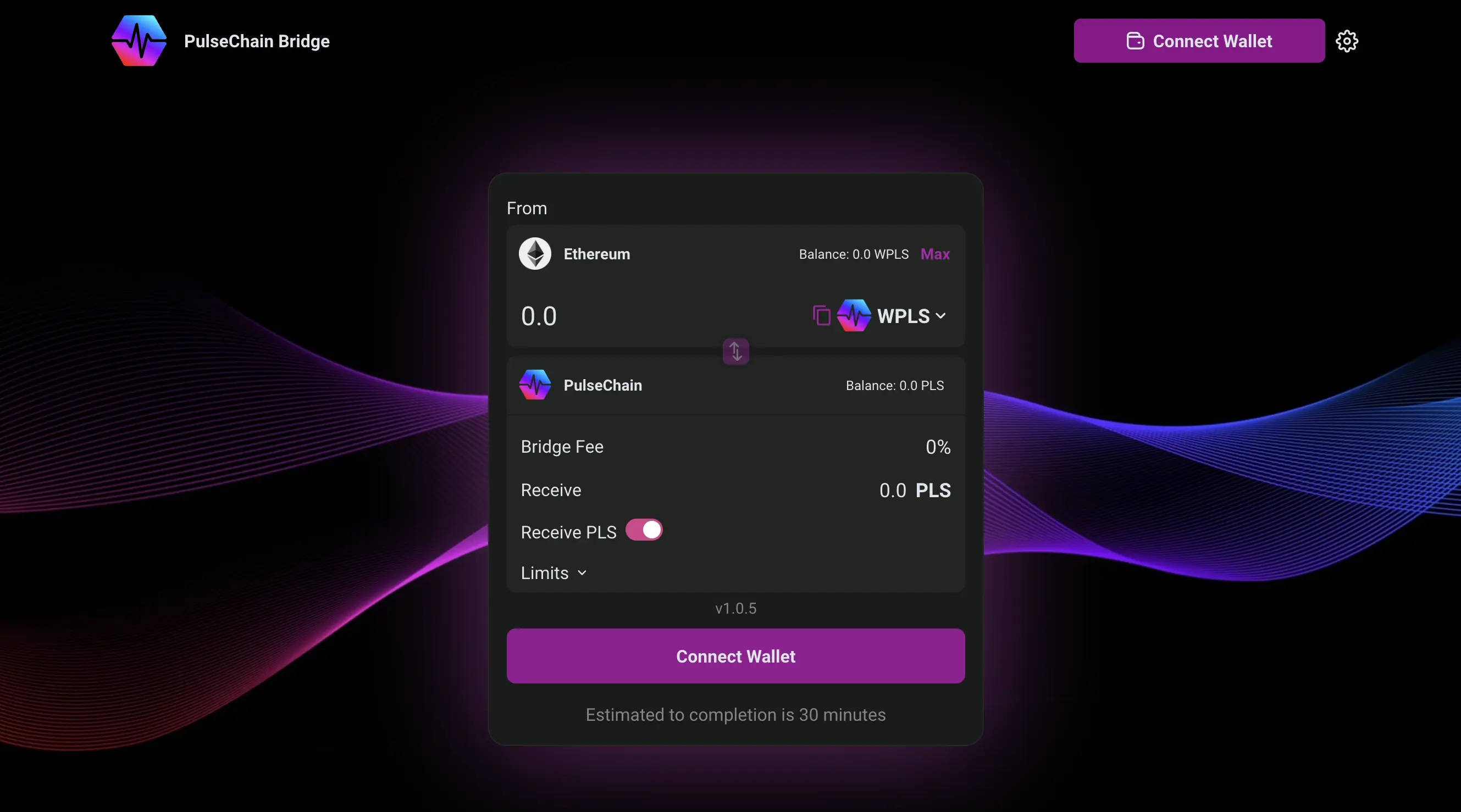
Screenshot from January 2024 — the bridge interface has changed since.
Route 3: get topped up by someone already on the network
Slightly unglamorous, but it is how a lot of people actually start. A PLS transfer costs a negligible amount, so anyone already on PulseChain can cover a newcomer's first tank of gas without thinking about it. If you know someone on the network, this is the fastest option there is.
Whichever route you take, you only need to solve it once. After your first transaction you can swap for more PLS on any PulseChain DEX like a normal user.
How much PLS do you actually need?
Less than you would expect, and there is no fixed number worth quoting. A simple transfer or swap on PulseChain costs a very small fraction of a cent's worth of PLS, but "how much PLS is that" moves with the PLS price — a figure that made sense in early 2024 would be misleading now.
The practical approach: get a modest amount, do your first transaction, see what it actually cost, and top up from there. You will have a far better sense of your own usage after five transactions than any article can give you in advance.
Exploring the PulseChain ecosystem
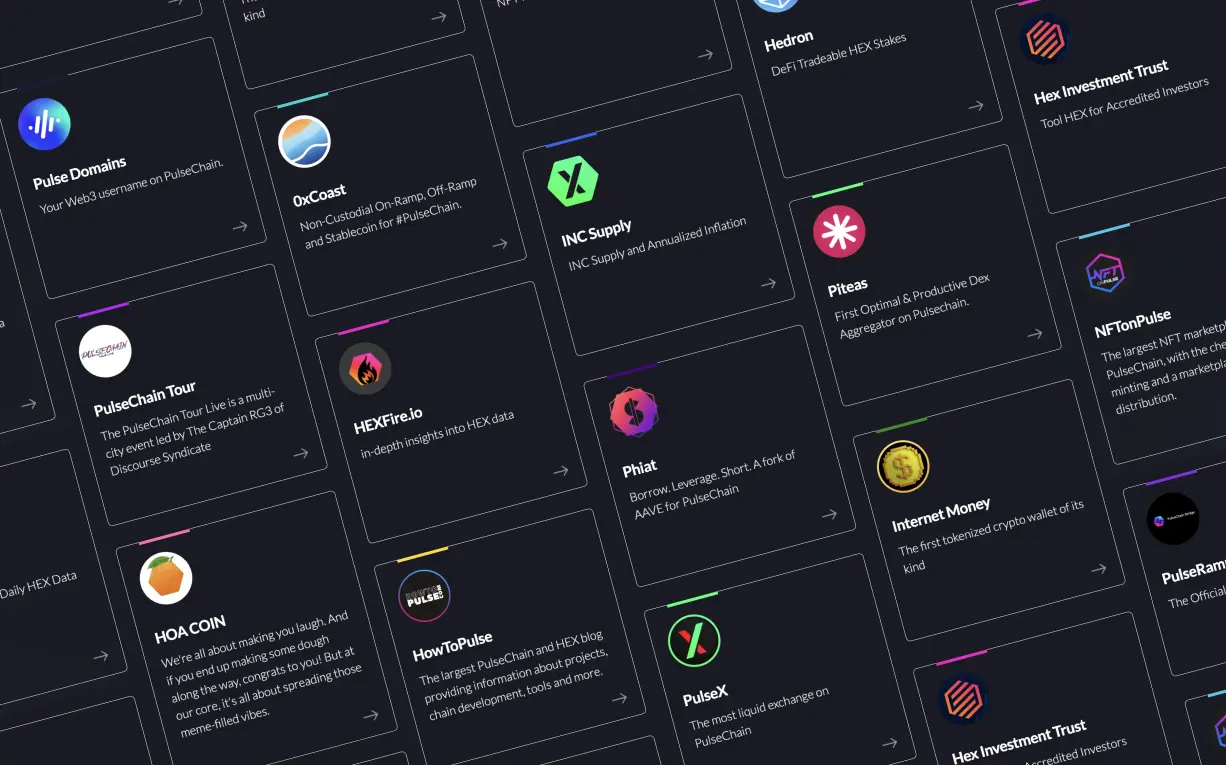
Once you are transacting, the question becomes what to do with the network. PulseCoinList's ecosystem directory is a good starting point — a browsable directory of projects on PulseChain with status, links and token information, which beats piecing the landscape together from social media.
Check what's already at your address
Worth a detour if you were holding ERC20 tokens in your own wallet in May 2023: PulseChain's launch copied those balances to the same address on PulseChain, so you may already own PRC20 copies you have never seen. The balance checker reads any address without a wallet connection, and the airdrop guide explains what the copies are and what they are worth.
Staying on top of PulseChain price and market cap
For the financial side — PLS price, market cap, live stats — PulseCoinList.com carries real-time data across the network.
Conclusion

Getting started on PulseChain is a one-time hurdle, not an ongoing cost. Solve the first-gas problem by whichever of the three routes above suits you — buy and withdraw, bridge in, or get topped up — and the network's low fees take care of the rest. From there, the ecosystem directory and the balance checker are the two pages worth bookmarking.